Riot Games is a global company that develops online games.
Technical articles and stack decisions from Riot Games
The Art of Spell Casting, Part 2
What’s it like to be a part of Riot Tech? Explore everything from titles and personal development to tech challenges and philosophies.
The Art of Spell Casting, Part 1
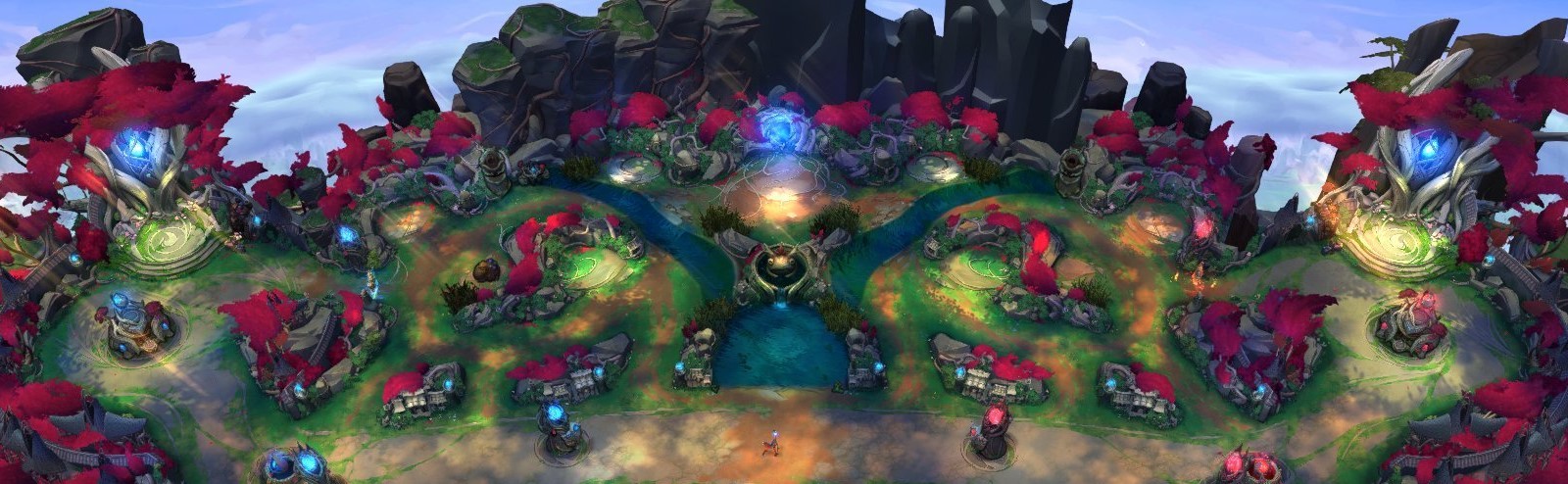
Reviving Nexus Blitz
re:Presenting at AWS re:Invent
Bug Blog: Esports Trade Issue
Getting into the Guts of Berserk
Bug Blog: TFT Bugs and Patches
Leveling Up Networking for A Multi-Game Future
The Legends of Runeterra CI/CD Pipeline
Strategies for Working in Uncertain Systems
Improving the Developer Experience for Operating Services
Keeping Legacy Software Alive: A Case Study
Engineering Tools for Designers with Legends of Runeterra
Scalability and Load Testing for VALORANT
Leveraging Golang for Game Development and Operations
How Riot Games Uses Slack
Technology Interns in 2020: League of Legends, TFT, & VALORANT
Technology Interns in 2020: General Game Tech & Tooling/Infrastructure
VALORANT's 128-Tick Servers
Peeking into VALORANT's Netcode
VALORANT Shaders and Gameplay Clarity
Deep Dive into the Clash Crash
Demolishing Wallhacks with VALORANT's Fog of War
Welcome to the Death Dimension
Running Online Services at Riot: Part VI
Technology Interns at Riot Games
Controlled Chaos with Fault Injection Testing
Bringing Features to Life in Legends of Runeterra
Engineering Esports: The Tech That Powers Worlds
The Future of League's Engine
Down The Rabbit Hole of Performance Monitoring
Supercharging Data Delivery: The New League Patcher
The Riot Games API: Transforms
Key Conjurer: Our Policy of Least Privilege